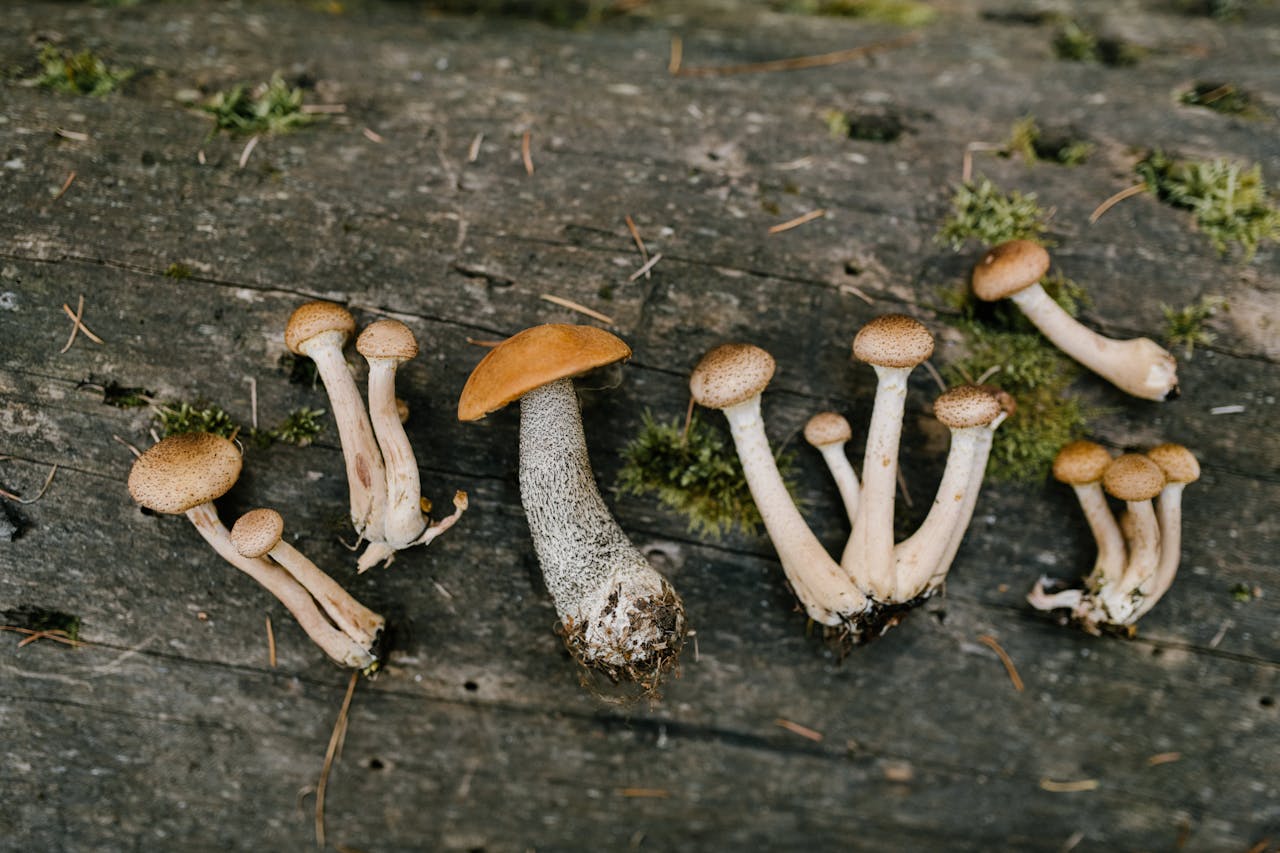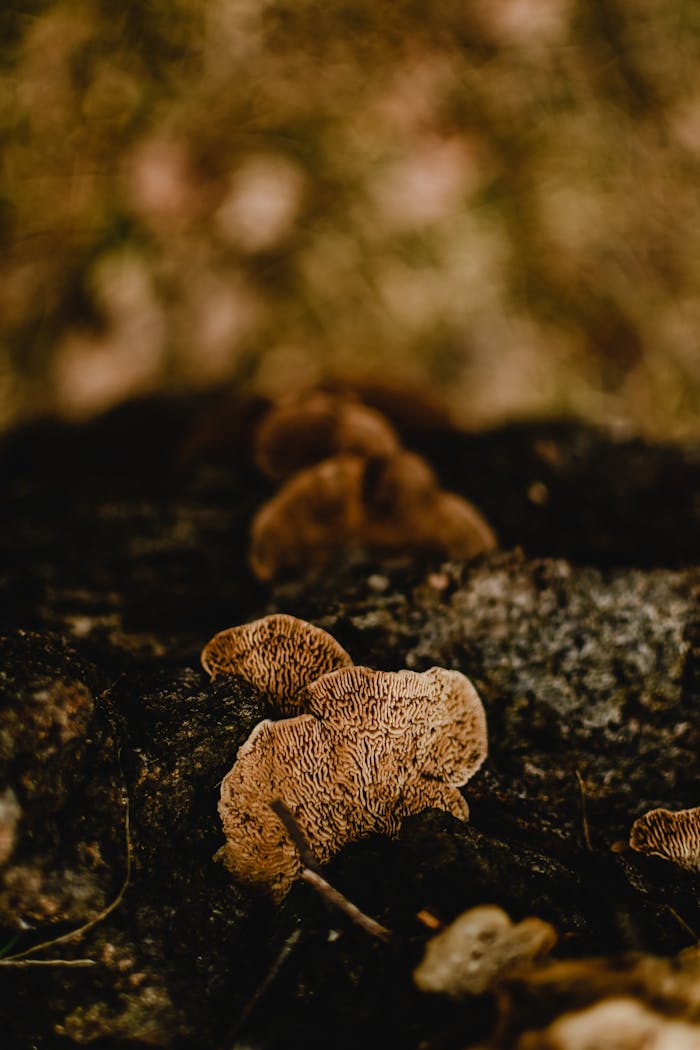

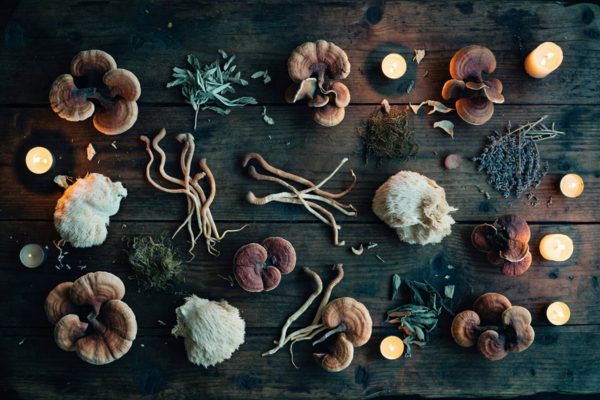
Medicinal mushrooms are everywhere right now. You will find them in coffee blends, supplement stacks, wellness podcasts, and health-shop displays. If you have been paying attention, you have noticed.
But here is the thing worth holding onto. What feels like a trend is really a return. The history of medicinal mushrooms stretches back thousands of years, across continents, cultures, and healing traditions.
Ancient China and the way of the mushroom
In traditional Chinese medicine, fungi have held a place of respect for over two thousand years. The Shennong Bencao Jing, one of the oldest known pharmacological texts, recorded various mushrooms and their uses.
Tradition holds that reishi, known as Lingzhi, was prized by emperors and the elite. People associated it with longevity and harmony, and healers used it for the heart, for calm, and for immune support. Lion’s mane, too, is often linked in folklore with focus and contemplative practice, though direct historical evidence for that particular story is limited.
Japanese and Siberian traditions
Across Japan, a deep cultural relationship with fungi developed alongside forest living. People used shiitake and maitake not only for nourishment but also, by tradition, for immune strength and longevity.
In Siberia and northern Russia, chaga grew on birch trees, and communities brewed it into tea for centuries. In folklore it was even called the ‘gift of God’, and it was used for endurance through harsh winters. This long-standing traditional use of medicinal mushrooms forms part of a wider body of cultural knowledge, and it continues to inform modern interest today.
A local chapter in the story
This history is not only something that happened far away. In 2023, researchers at Stellenbosch University described a brand-new species of lion’s mane mushroom growing wild in South Africa’s Afrotemperate forests. It is a small but lovely reminder that the world of fungi still holds discoveries, and that this lineage runs through our own soil too.
What modern research is exploring
Today, researchers study the compounds within these mushrooms with growing interest. They examine beta-glucans, triterpenoids, ergosterols, and hericenones.
Laboratory and early human studies on reishi point to immune-modulating activity. Research on lion’s mane points to possible neurological support, and chaga is rich in antioxidant compounds. Modern science is investigating many of the same mushrooms that have a long history of traditional use. In some areas, current findings align with traditional claims, although in others the evidence remains uncertain.
Why this history matters
When you begin a medicinal mushroom practice, you are not jumping on a wellness trend. In a sense, you are joining a long lineage.
You are taking part in a way of relating to the natural world that has supported people across cultures and centuries. That is worth knowing, and it is worth honouring. So let this history hold you as you begin.
Ready to begin your own practice? Start here with our gentle beginner’s guide.
Disclaimer: This post is for educational purposes only and does not constitute medical advice. Always consult a qualified healthcare provider before beginning any new supplement or wellness practice.
You are part of a very old story. Walk into it gently. — Wendy 💚